Understanding the Texas Administrative Code 15C-16.003 Deception: A Deep Dive into a Fictitious Scam Tactic
In an increasingly digital world, scammers are constantly evolving their tactics, preying on people's fears and busy schedules. One particularly insidious scam making the rounds leverages a fabricated sense of authority: the use of a non-existent legal reference, such as the so-called
Texas Administrative Code 15C-16.003. This article will thoroughly explore this fictitious code, its role in sophisticated text message scams, and provide crucial insights into how Texans can protect themselves from falling victim.
The digital age has unfortunately also become an age of digital deception. Scammers are becoming increasingly adept at crafting messages that appear legitimate, mimicking official communications from government agencies, banks, and other trusted institutions. The Texas Department of Motor Vehicles (DMV) has been a frequent target for impersonation, leading to widespread "outstanding traffic ticket" text scams. The key to the perceived legitimacy of many of these scams often lies in a subtle, yet effective, detail: the inclusion of official-sounding but entirely fake legal references, with
Texas Administrative Code 15C-16.003 being a prime example. Understanding this tactic is the first step in safeguarding your personal and financial information.
Unmasking the Deceptive Texas DMV Text Scam Leveraging 15C-16.003
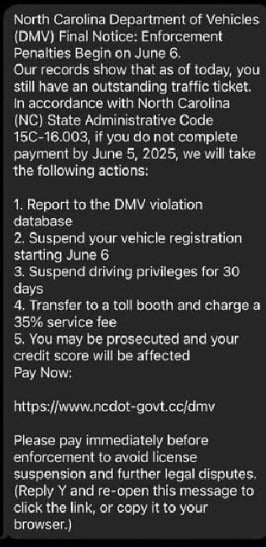
The scam typically begins with an unsolicited text message designed to evoke immediate panic and urgency. It often reads something like a "Final Notice" from the "Texas State Department of Motor Vehicles (DMV)," threatening severe penalties if an outstanding traffic ticket is not paid by a specific deadline. The crucial element that grants this message a false air of legality is the citation of an administrative code. For instance, the scam message often states:
"In accordance with Texas State Administrative Code 15C-16.003, if you do not complete payment by [a near future date], we will take the following actions: Report to the DMV violation database, suspend your vehicle registration, suspend driving privileges for 30 days, transfer to a toll booth and charge a 35% service fee, and potentially prosecute you, affecting your credit score."
This litany of severe consequences, coupled with the official-sounding
Texas Administrative Code 15C-16.003, is designed to overwhelm the recipient and bypass critical thinking. The message then directs the victim to a suspicious "Pay Now" link, often disguised to look like an official state website (e.g., `https://txdmv.gov-kljv.win/portal`). It's imperative to understand that this entire scenario, especially the reference to
Texas Administrative Code 15C-16.003, is a complete fabrication. There is no such code in the official Texas Administrative Code that pertains to these types of enforcement actions in this manner. The sole purpose of citing a fictitious code is to add a veneer of authenticity and compel immediate, unverified action.
The Fictitious Code: Why 15C-16.003 Is a Glaring Red Flag
Administrative codes are collections of rules and regulations promulgated by state agencies to implement state laws. These codes are public documents, meticulously organized, and easily searchable through official government websites. A legitimate administrative code citation refers to specific, verifiable regulations that govern an agency's actions and public obligations. The mention of
Texas Administrative Code 15C-16.003, therefore, provides a perfect opportunity for verification – and, in this case, for debunking the scam.
A quick search of the official Texas Administrative Code would reveal that "15C-16.003" does not exist in the context described by the scam. This is the cornerstone of identifying the fraud. Scammers include such codes precisely because they *sound* authentic enough to deter casual suspicion, but they rely on the victim's lack of immediate access to, or knowledge of, official legal databases. By simply attempting to verify the existence and content of
Texas Administrative Code 15C-16.003 through official channels, an individual can immediately expose the scam. This tactic highlights the importance of skepticism when faced with urgent demands for action from seemingly official sources. For a more detailed breakdown of this specific fake code and how it's used, you might find value in reading about the
DMV Traffic Ticket Text Scam: The Fake Texas Code 15C-16.003.
Common Red Flags Beyond the Code
While the fabricated
Texas Administrative Code 15C-16.003 is a critical indicator, several other red flags typically accompany these types of scams. Recognizing these additional warning signs can further fortify your defenses:
*
Urgency and Threats: Scammers thrive on panic. Messages like "Final Notice," "Enforcement Penalties Begin," and "Pay Immediately" are designed to short-circuit rational thought, preventing victims from taking the time to verify the claims. Legitimate government agencies typically provide ample notice and clear instructions for payment or appeal processes.
*
Generic Greetings: Often, these scam texts will not address you by name, opting for generic phrases. While some legitimate notifications might start generically, a combination of a generic greeting and urgent threats should raise suspicion.
*
Suspicious URLs: The fake "Pay Now" link is a dead giveaway. Real government websites will use official domains (e.g., `.gov` or `.state.tx.us`) and will not include extraneous characters or strange subdomains like `gov-kljv.win`. Always scrutinize the URL carefully before clicking. Even if it *looks* legitimate, hovering over it (on a desktop) or long-pressing (on mobile) can reveal the true destination.
*
Unusual Payment Methods: While not explicitly mentioned in the example, many scams demand payment via unconventional methods such as gift cards, wire transfers, or cryptocurrency, which are nearly impossible to trace once sent. Official agencies will provide clear, secure payment options.
*
Grammar and Spelling Errors: Although some sophisticated scams may be well-written, many still contain subtle (or not-so-subtle) grammatical errors, awkward phrasing, or misspellings that are uncharacteristic of official government communications.
*
Unsolicited Communication for Enforcement: The Texas DMV and other official bodies typically initiate enforcement actions or notifications of outstanding tickets through formal mail, or sometimes through official email addresses registered with your account, not unsolicited text messages for initial contact regarding violations and immediate penalties.
Understanding these common indicators, alongside the fraudulent nature of the
Texas Administrative Code 15C-16.003, is crucial for identifying and avoiding the scam. For more comprehensive strategies on identifying these fraudulent messages, consider reviewing
How to Spot the Texas DMV Text Scam Using Code 15C-16.003.
Protecting Yourself: Actionable Steps and Official Channels
Receiving a text message that cites
Texas Administrative Code 15C-16.003 or makes similar urgent demands about traffic tickets can be unsettling. However, knowing how to react is your best defense:
1.
Do NOT Click Any Links: This is the golden rule. Clicking a malicious link can lead to phishing sites designed to steal your personal information, or it could download malware onto your device.
2.
Do NOT Reply: Replying to the text confirms that your number is active, potentially leading to more spam and scam attempts.
3.
Block the Sender: After identifying the message as a scam, block the phone number to prevent future unwanted communication.
4.
Verify Independently: If you genuinely suspect you might have an outstanding traffic ticket, *do not* use any contact information provided in the suspicious text. Instead, navigate directly to the official Texas DMV website (e.g., `www.txdmv.gov`) or your county's court clerk website. You can also contact the Texas DMV or your local court using official phone numbers found on their legitimate websites or in official directories.
5.
Report the Scam:
*
Texas Department of Motor Vehicles (TxDMV): Report the scam to the TxDMV fraud unit.
*
Federal Trade Commission (FTC): File a complaint with the FTC at `reportfraud.ftc.gov`. This helps federal agencies track and combat scams.
*
Your Wireless Carrier: Forward the scam text to 7726 (SPAM) to help your carrier block similar messages.
*
Local Law Enforcement: If you have fallen victim to the scam and provided personal or financial information, contact your local police department immediately.
Legitimate communications from the Texas DMV or any state agency regarding outstanding violations will typically come via official mail, outlining clear procedures for inquiry, payment, or appeal. They will not resort to threatening text messages demanding immediate payment via unverified links. Always remember that transparency and verifiable information are hallmarks of legitimate governmental operations.
Conclusion
The use of fictitious legal references like
Texas Administrative Code 15C-16.003 is a cunning but ultimately transparent tactic employed by scammers to lend credibility to their fraudulent schemes. By understanding that this specific code is a fabrication and by familiarizing yourself with the other common red flags associated with phishing attempts, you can significantly reduce your risk of becoming a victim. Staying vigilant, verifying all urgent requests through official channels, and reporting suspicious activity are essential steps in protecting your identity and finances in the face of increasingly sophisticated cyber threats. Empower yourself with knowledge, and you'll be well-equipped to navigate the digital landscape safely.